


Preparing for a cold commute requires a strategic approach to apparel and accessories to ensure you arrive at your desk ready for work. The right winter cycling commuter gear protects you from freezing winds and heavy precipitation without causing you to overheat during your ride. This guide explains how to build a modular system that keeps you warm, dry, and professional throughout the season.
Winter Kit Essentials Checklist for Daily Riders
To navigate a freezing urban environment on two wheels, you need a kit that addresses thermal regulation and moisture management. Use this checklist to evaluate your current setup before the first frost arrives:
- Moisture wicking merino wool or synthetic base layers
- Insulating mid layers like sherpa fleece or recycled polyester
- Waterproof and windproof hardshell jacket and pants
- Thin skull cap or beanie that fits under a standard helmet
- Waterproof gloves or insulated mittens for extreme cold
- Merino wool socks to maintain warmth even when damp
- Reflective accessories or high visibility trim for low light safety
- A dedicated commuter bag to store dry office clothes
How to Master the Layering System for Cold Commutes
The most common mistake new winter cyclists make is dressing too warmly before they start pedaling. Your body generates a significant amount of heat through exertion. A general rule of thumb is to dress as if it is 10 to 15 degrees warmer than the actual temperature. You should feel slightly chilled when you first step outside; within ten minutes of riding, your core temperature will rise to a comfortable level.
A effective layering system consists of three distinct parts. The base layer sits against your skin and moves sweat away from your body. The middle layer provides insulation by trapping warm air. The outer layer, or shell, protects you from external elements like wind, rain, and snow. By using these three components, you can easily vent heat by unzipping a jacket or removing a layer if the sun comes out or your effort increases.
Choosing the Best Midlayer for Core Temperature Regulation
Your core is the engine of your commute. Keeping your torso warm ensures that your body continues to pump warm blood to your fingers and toes. For urban commuting, a midlayer should offer high thermal efficiency while remaining breathable enough to prevent sweat buildup. Recycled polyester fleece is an excellent choice for this role because it retains warmth even if it becomes slightly damp from perspiration.
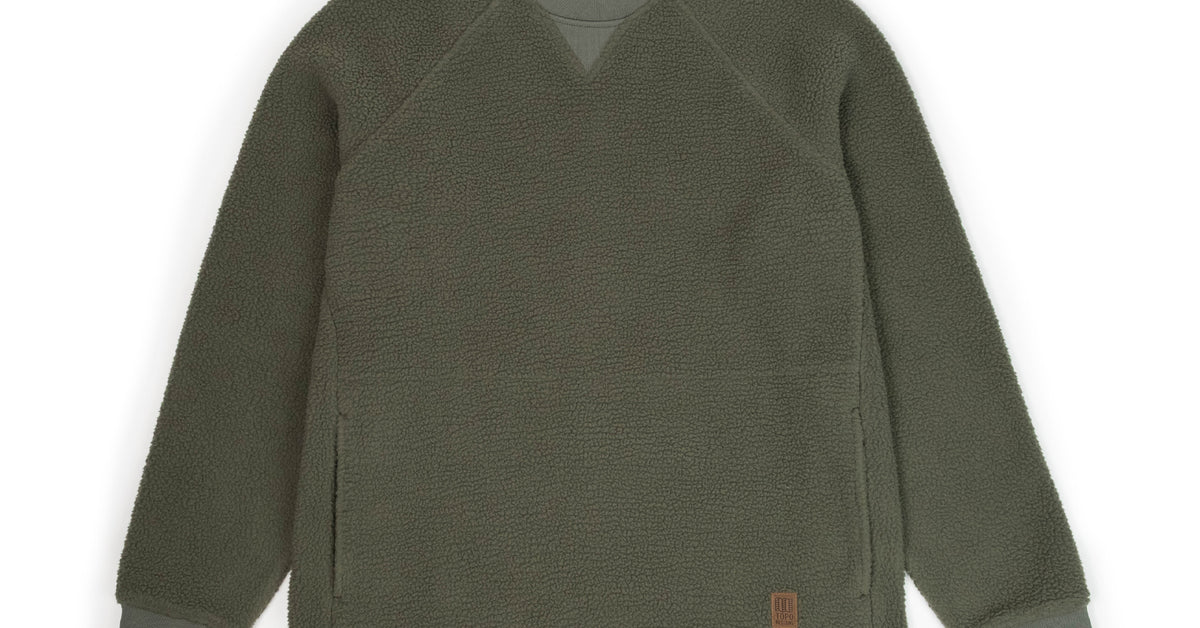
The Mountain Fleece Crew - Unisex from Topo Designs is a prime example of a functional midlayer. It is constructed from 305 gsm double face sherpa fleece made from 100 percent recycled polyester. This heavy weight fabric provides instant warmth on the coldest days. The relaxed fit allows for comfortable movement while cycling, and the thumbhole construction helps keep the sleeves in place under your outer jacket to prevent cold air from entering your wrists. This piece is also Bluesign certified, ensuring it meets high environmental standards during production.
Protecting Your Lower Body from Winter Elements
While your upper body does most of the work to stay warm, your legs are directly exposed to road spray and biting winds. In regions with frequent rain or snow, standard trousers are insufficient. You need specialized trousers that offer a balance of waterproofing and mobility. Look for features like articulated knees, which allow for a full range of motion during the pedal stroke, and cinch straps that keep the fabric away from your bike chain.

The Men's Transit Pant is designed specifically for these conditions. These pants use a 3 layer Artex hardshell ripstop fabric that is fully seam taped to be wind and waterproof. With a 10,000 mm waterproof rating, they can withstand significant precipitation while maintaining a breathability rating of 10,000 gsm per 24 hours. The inclusion of ankle zips makes them easy to pull on or off over your shoes once you reach your destination. Additionally, the generous reflective trim is vital for safety when commuting during the dark winter mornings.
What Is Artex Fabric and How Does It Keep You Dry?
When selecting winter cycling commuter gear, you will often encounter technical terms like Artex or hardshell. Artex is a specialized 3 layer laminated fabric. The outer layer provides durability and a surface for water repellent treatments. The middle layer is a waterproof and breathable membrane that blocks liquid water from entering while allowing microscopic vapor molecules from your sweat to escape. The inner layer protects the membrane and feels comfortable against your skin.
Modern technical gear now prioritizes environmental safety by using PFAS free DWR, or Durable Water Repellent. Traditional DWR treatments used chemicals that persisted in the environment, but newer formulations achieve the same water shedding performance without the harmful ecological footprint. This is a crucial consideration for cyclists who want their gear to reflect their commitment to sustainable transportation. For more tips on organizing your cold weather equipment, explore our collection of minimalist gear for Nordic winter travel.
Managing the Transition from Bike to Office
The greatest hurdle for many winter commuters is how to transition from the bike path to the professional workspace. Arriving in sweat soaked technical gear is rarely an option. One solution is to carry a change of clothes in a high quality bag that integrates with your professional aesthetic. Choosing the best stylish commuter backpack for professionals can make this transition seamless.

The Hoodie Backpack from Luhxe is an ideal companion for the modern city traveler. Priced at $79, this bag offers a versatile solution for carrying your daily essentials while maintaining a sleek profile that looks appropriate in a boardroom. Whether you are navigating snowy streets or heading into a meeting, having a dedicated space for your office attire ensures you look sharp upon arrival. You can browse other options in our guide to stylish commuter backpack options for women to find the perfect fit for your style.
Protecting Extremities: Head, Hands, and Feet
Your hands and feet are the first parts of your body to suffer in the cold because your system prioritizes blood flow to your core. To prevent frozen fingers, consider a two part system for your hands. A thin liner glove can provide basic insulation, while a heavy duty waterproof outer mitten or glove blocks the wind. For your head, a Smartwool Merino Beanie is a popular choice among year round riders because it is thin enough to fit under a helmet but warm enough to protect your ears from frostbite.
Footwear is equally critical. Waterproof boots with insulation are recommended for snowy conditions. If you prefer to wear your standard cycling shoes, look for neoprene shoe covers which add a layer of wind protection and insulation. Regardless of your shoe choice, always wear merino wool socks. Unlike cotton, wool keeps its insulating properties when wet, which is a life saver if water manages to seep into your shoes during a slushy ride. For more specialized storage for these accessories, check out our modern city commuter bags.
Why Visibility Is Crucial for Winter Cycling Safety
Winter commuting often means riding in the dark or in low visibility conditions like fog or heavy snow. According to safety guidelines from the League of American Bicyclists, being visible from all angles is mandatory for city riders. Your winter cycling commuter gear should include reflective elements on moving parts like your legs or ankles, as the motion of pedaling is highly recognizable to drivers. In addition to reflective trim on your pants and jacket, always use high quality front and rear lights, even during the day when it is overcast.
Maintaining Your Winter Cycling Gear for Longevity
Road salt and slush are incredibly abrasive and can degrade technical fabrics over time. To ensure your investment lasts for several seasons, rinse your waterproof pants and jacket with fresh water if they become caked in salt. Avoid using standard fabric softeners, as these can clog the pores of breathable membranes like Artex. Instead, use a specialized technical wash that preserves the DWR coating. Periodically placing your hardshell garments in a dryer on low heat for twenty minutes can also help reactivate the water repellent finish.
Preparing for Extreme Winter Weather Conditions
When the temperature drops well below freezing, you may need to adapt your kit further. Arm, knee, and leg warmers made of merino wool can be layered under your standard gear for extra warmth. If you find your core is still cold, adding a windproof vest over your midlayer provides extra protection without adding bulk to your sleeves. Remember that winter cycling is about adaptation. Every rider is different, and finding the perfect combination of winter cycling commuter gear may take a few trial runs during the early season.
Winter Cycling Commuter Gear FAQs
What should I look for in winter cycling commuter gear?
Focus on a layering system including a moisture wicking base layer, an insulating midlayer, and a waterproof, breathable hardshell. Look for features like articulated knees, reflective trim, and materials like merino wool or recycled polyester fleece.
How do I keep my feet warm while cycling in winter?
Wear thick merino wool socks and consider waterproof insulated boots or neoprene shoe covers. Merino wool is essential because it retains warmth even if your feet get damp from snow or sweat.
What is the best fabric for a winter cycling midlayer?
Recycled polyester fleece, such as 305 gsm double face sherpa, is excellent because it provides high warmth for its weight and is breathable enough to prevent overheating during exertion.
How do I stay visible during dark winter commutes?
Use gear with integrated reflective trim, especially on moving parts like your legs. Additionally, use bright front and rear lights and consider a helmet with integrated lighting or reflective patches.
Can I wear my work clothes under my cycling gear?
Yes, many commuters wear their office attire under waterproof hardshell pants or jackets. However, for longer or more intense rides, it is often better to carry your professional clothes in a dedicated commuter backpack and change at your destination.
What does a 10,000 mm waterproof rating mean?
This rating indicates the amount of water pressure a fabric can withstand before leaking. A 10,000 mm rating is suitable for moderate to heavy rain and snow, providing a great balance of protection and breathability for commuters.
Keep Reading
- The Best Bike Commuter Rain Gear for Wet City Riding
- 10 Best Bike Commuter Gear Essentials for All Weather Riding in 2026
- Fashion Pet Travel Gear Soft-Sided Carriers Buyer Guide for 2026
- Fashion Pet Travel Gear Backpack vs Tote Comparison for 2026
- Shop Minimalist Gear for Nordic Winter Travel
- Shop Cold Weather Packing: Gear for Ski Resorts & Winter Trips