


Packing for a long trip often leads to bulky suitcases and disorganized gear. Using a vacuum garment bag allows you to compress your wardrobe and maximize every inch of available space in your luggage without sacrificing style or essentials.
Why Every Traveler Needs a Vacuum Garment Bag
A vacuum garment bag is a specialized storage solution designed to remove air from between the fibers of your clothing. By extracting the air, you can reduce the volume of your items by up to 80 percent. This is particularly useful for bulky winter gear, sweaters, and pillows that otherwise consume the majority of a suitcase. Beyond just saving space, these bags act as a protective barrier against external elements. When you seal your clothes in an airtight environment, you protect them from moisture, odors, and potential spills inside your luggage. This is especially helpful if you are traveling to humid climates where clothes might otherwise become damp or develop a musty smell. Frequent travelers often find that using a vacuum garment bag allows them to downsize from a checked bag to a carry on, saving significant amounts in airline baggage fees over time. If you are looking for ways to improve your organization, consider exploring our Gifts for Travelers: Bag Edition collection for more inspiration.
How to Pack a Vacuum Garment Bag for Maximum Compression
Achieving the best results with a vacuum garment bag requires more than just stuffing clothes inside. You must start with clean and completely dry items. Any moisture trapped inside the bag will be compressed along with the fabric, which can lead to mildew or permanent odors. Fold your clothes neatly to match the width of the bag. While rolling is often recommended for standard packing, folding works better for vacuum sealing because it creates a flat, uniform surface that compresses more evenly. Once the items are inside, ensure you do not exceed the fill line marked on the bag. Overfilling can put too much pressure on the seal, causing it to fail mid flight. Use the included slider to zip the bag shut, running it across the track several times to ensure a perfect closure. If you are using a product like the Cozy Essential Vacuum Storage Bags, you can utilize the triple seal turbo valve. This specific valve is engineered to keep air out and prevent the unwanted rebound that happens with cheaper alternatives. For those who do not have access to a vacuum cleaner while on the road, the travel roll up bags in that same 20 piece set allow you to push air out manually through one way valves at the bottom.

Choosing the Right Travel Bag for Compressed Items
Once your clothes are compressed, they will be much thinner but will still weigh the same. This means you need a durable bag that can handle the density of vacuum sealed items. A high quality leather bag is an excellent choice because the material provides structure and protection for the compressed contents. The Leather Duffel Bag from Luhxe is a prime example of a bag that pairs perfectly with compression technology. Priced at $130, this bag offers a sophisticated look for business travel while providing ample interior space for several vacuum sealed cubes. Unlike soft sided nylon bags that might bulge awkwardly under the weight of compressed items, the reinforced leather maintains its shape, ensuring you look professional as you walk through the terminal. If you are debating between different materials for your main luggage, you might find our guide on the Luhxe Travel Bag 2.0 vs Leather Duffel Bag helpful for your decision making process.

What Clothing Should Not Be Vacuum Sealed
While a vacuum garment bag is a miracle for space saving, it is not suitable for every type of fabric. Natural fibers like wool, silk, and leather need to breathe. Vacuum sealing these items can lead to permanent damage because the lack of air can cause the fibers to become brittle or lose their natural shape. Specifically, items with down or feather filling, such as heavy winter parkas, should only be compressed by about 50 percent. Completely removing the air can crush the delicate quills of the feathers, destroying the loft and warmth of the garment. Once the loft is gone, the jacket will no longer provide the insulation you need. Additionally, structured items like tailored suit jackets or gowns should avoid the vacuum process. The intense pressure can create deep creases that are nearly impossible to remove with a standard hotel iron. For these items, a dedicated garment bag that allows the clothing to hang is a far superior choice. You can learn more about specialized options in our article on the Best Carry On Garment Bag for Business Travel.
How Long Can Clothes Stay in a Vacuum Sealed Bag
A common question among travelers is how long their clothes can safely remain compressed. For most synthetic materials and cotton blends, keeping them in a vacuum garment bag for the duration of a two week trip is perfectly safe. However, for long term storage, you should aim to unseal and refold the items every six months. This allows the fibers to decompress and prevents permanent creasing. If you leave clothes sealed for a year or longer, you may find that the fabric has become stiff or developed a distinct smell from the plastic of the bag. It is also important to note that the seal itself may degrade over time. High quality bags like those from Aerogogo use 40D nylon reinforced with TPU, which is designed for repeated use over ten years. These bags are specifically engineered to maintain an airtight environment longer than standard plastic bags. They also feature an IP67 grade airtight zipper which provides double protection against air seepage. According to textile experts at organizations like the AATCC, maintaining the physical integrity of the fiber is key to garment longevity, so always err on the side of caution with delicate items.
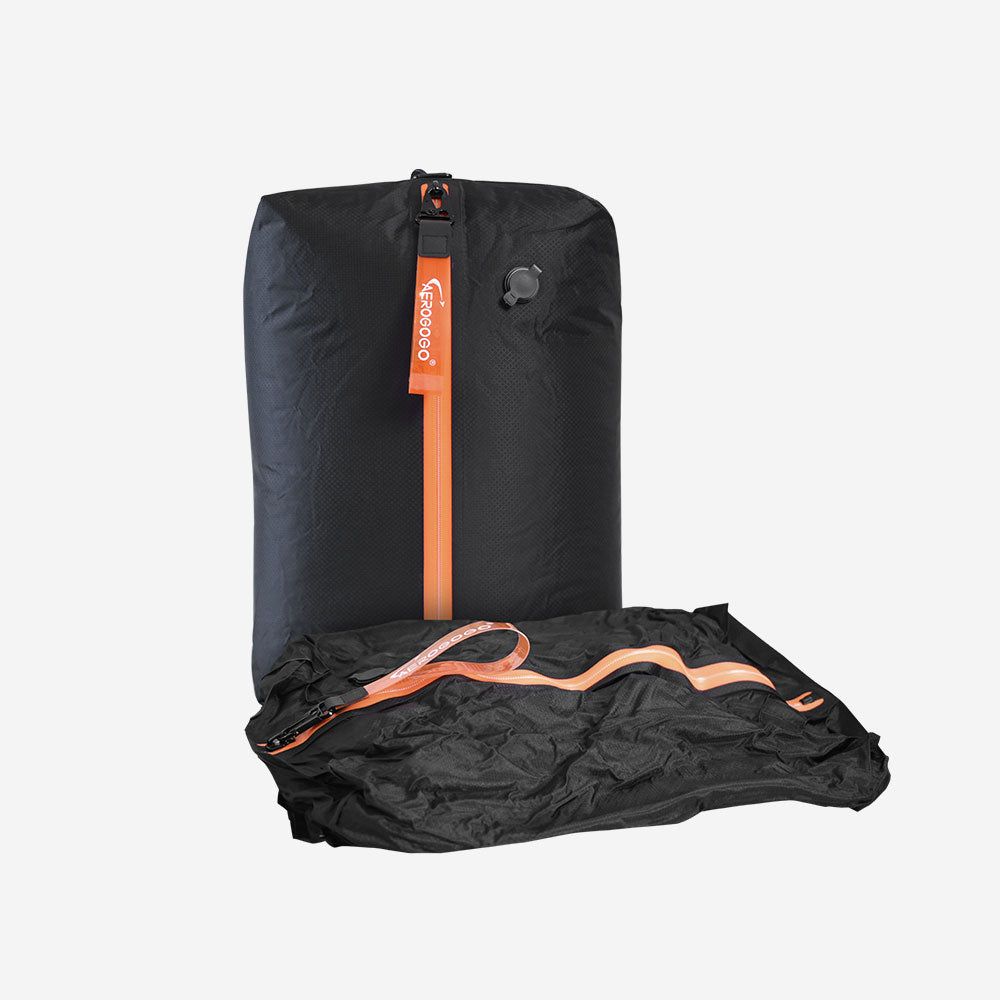
Disadvantages of Vacuum Sealing for Frequent Flyers
The primary disadvantage of using a vacuum garment bag is the weight. Because you can fit so much more into a small space, it is very easy to exceed the weight limits set by airlines. A carry on bag that looks compact might actually weigh 40 pounds if it is filled with vacuum sealed denim and sweaters. Always use a luggage scale to check your weight before heading to the airport. Another drawback is the wrinkle factor. While vacuum sealing prevents clothes from shifting and rubbing together, the sheer force of the compression can bake in wrinkles. This is why it is essential to fold clothes flat and smooth them out before sealing. If you are a business traveler who needs to arrive ready for a meeting, you might prefer a hybrid approach. Use compression for your casual wear and a dedicated garment carrier for your professional attire. For a deeper look at different styles of carriers, read our guide on The 7 Best Garment Duffel Bag Options for Travelers.
Organizing Accessories With the Luhxe 3 in 1 Tote
While the vacuum garment bag handles your bulky clothing, you still need a way to organize smaller essentials like toiletries, tech cables, and extra shoes. The Luhxe 3 in 1 Tote Bag, priced at $79.99, is the perfect companion for a compressed packing system. It functions as a laundry bag, shoe bag, and cosmetic bag all in one. When your main luggage is packed tight with vacuum sealed cubes, having a flexible tote for items you need to access quickly is a game changer. You can keep your vacuum sealed clothes in the main compartment of your duffel and use the tote for your transit essentials. This ensures that you do not have to break the vacuum seal on your main clothes just to find a pair of headphones or a toothbrush. For more details on how to utilize these types of organizers, check out our Storage Solutions: Cosmetic Bag vs Laundry Bag Utility collection.

Maintaining Your Vacuum Garment Bag Seals
To ensure your bags remain effective for years of travel, you must take care of the sealing mechanism. Dust and lint are the enemies of an airtight seal. Every time you pack, take a damp cloth and wipe the inside of the zipper tracks to remove any debris that could create a microscopic gap. If air is leaking into your bag, check the valve. Sometimes the rubber gasket inside the valve can become displaced or dry out. A tiny drop of silicone lubricant can often restore a stubborn valve. Store your bags in a cool, dry place when they are not in use. Extreme heat, such as in an attic or a hot car, can cause the plastic to degrade and become prone to cracking. According to luggage testing standards from the Travel Goods Association, the durability of your packing accessories directly impacts the safety of your belongings during transit. If you are looking for a more versatile carrying option that handles both compressed bags and electronics, The Hoodie Backpack at $79 is a rugged choice that offers extra padding for your gear.

Are Vacuum Bags for Clothes Worth It
For most travelers, the answer is a resounding yes. The ability to fit a week of clothing into a small duffel bag provides a level of freedom that traditional packing cannot match. It allows you to move through airports faster, avoid the stress of the baggage carousel, and keep your clothes organized throughout your journey. While there is a small learning curve to mastering the vacuum garment bag, the benefits in space and protection far outweigh the effort. By choosing high quality travel bags and understanding which fabrics to avoid, you can travel lighter and more efficiently than ever before. Whether you are heading out for a weekend getaway with the Leather Duffel Bag or a cross country flight with a full set of compression cubes, these tools are essential for the modern traveler who values both style and functionality.
Vacuum Garment Bag FAQs
Are vacuum bags for clothes worth it?
Yes, they are highly effective for travelers who need to save space or avoid checked luggage fees. They can reduce the volume of soft items like sweaters and coats by up to 80 percent while protecting them from moisture and odors.
What are the disadvantages of vacuum sealing clothes?
The main disadvantages include the risk of deep wrinkles in certain fabrics and the potential to exceed airline weight limits because you can pack more items into the same space. Additionally, delicate natural fibers can be damaged if left compressed for too long.
How long can clothes stay in a vacuum sealed bag?
For travel purposes, two to four weeks is perfectly safe. For long term storage at home, it is recommended to unseal, air out, and refold garments every six months to maintain fiber integrity.
What clothing should not be vacuum sealed?
You should avoid vacuum sealing silk, leather, and tailored wool suits. Down jackets and sleeping bags should only be partially compressed (around 50 percent) to avoid crushing the feathers and destroying their insulating properties.
Can I use a vacuum garment bag without a vacuum cleaner?
Yes, many travel specific bags are designed as roll up bags. These allow you to manually push the air out through a one way valve by rolling the bag tightly, which is ideal for return trips from hotels.
How do I prevent my vacuum bags from leaking air?
Ensure the zipper track is free of lint and dust before sealing. Run the sealing clip over the track multiple times to ensure it is fully closed, and never fill the bag past the maximum fill line.
Keep Reading
- Best Carry On Garment Bag for Business Travel in 2026
- Luhxe Travel Bag 2.0 vs Leather Duffel Bag Comparison for 2026
- The 7 Best Garment Duffel Bag Options for Travelers in 2026
- The 10 Best Carry-On Garment Bag Options for 2024
- Shop Essential Hygiene Kit: Laundry Bag vs Shoe Bag vs Cosmetic Bag
- Shop Electric Pump and Vacuum Bag Kits