


Finding the right packable weekender travel bag ensures you can handle spontaneous adventures or additional shopping without the bulk of traditional luggage. These versatile carriers bridge the gap between heavy suitcases and flimsy plastic bags, offering a reliable solution for light packers and experienced voyagers alike. In this guide, you will learn the critical factors to evaluate before your next departure.
What defines a high quality packable weekender travel-bag
A true packable weekender travel bag must balance two opposing goals: ultra lightweight portability and structural durability. Most travelers look for a bag that can vanish into a small pouch when empty but expand to hold several days of essentials when needed. Competitors often overlook fabric density, which impacts how long a bag remains useful under the strain of heavy items. A quality bag should maintain its shape enough to protect your belongings while remaining thin enough to fold without specialized tools.
These bags are specifically designed for the short stay planner who needs a reliable way to carry clothes for three to four days. They are also popular as emergency storage for souvenirs. If you find yourself coming home with more than you started with, a packable option is essential. For those who prioritize a premium look, a Leather Duffel Bag offers a sleek and timeless design for men that fits far more than typical synthetic options.

Ideal capacity for three day trips
When selecting your packable weekender travel bag, capacity is the first metric to analyze. Most weekenders range from 30 liters to 65 liters. A 30L bag is typically sufficient for a two night stay, whereas a 65L bag like the Fmeida 65L Duffle Bag is designed for those who need significantly more space. Large capacity options are helpful for family trips or when you are carrying bulky gear like winter coats or sports equipment.
If you are traveling for business, your capacity needs change. You need enough room to prevent professional attire from wrinkling. Some premium options are engineered for high capacity; for instance, the Luhxe Leather Duffel Bag is known to fit over 10 days of clothes plus 3 suits. This makes it an outlier in the weekender category, as most packable synthetics struggle to hold more than a few days of garments without losing their structural integrity. For more specific needs, explore the bags offering different storage capacities collection.
Material resilience and fabric strength
The materials used in your bag determine its lifespan and how well it protects your items from the elements. Common materials include polyester, nylon, and leather. The Weekender Sportswear Packable Duffel Bag uses a 100% Ballistic Honeycomb Weave Polyester. This specific weave provides added strength and durability, making it a reliable choice for everyday use. Polyester is also inherently lightweight, which is a requirement for bags that fold into their own pockets.
Leather is the gold standard for durability and aesthetics. While synthetic materials like the Nanobag Ultralight Foldable Tote focus on being as thin as possible for market essentials, leather provides a shield against the wear and tear of airport terminals and trunk storage. When evaluating synthetics, look for water repellent and tear resistant ratings to ensure your clothes stay dry during transit. You can find many of these durable bags for everyday and travel in specialized collections.
Comparing leather and synthetic travel fabrics
Choosing between leather and synthetics involves a trade off between weight and style. Synthetic bags are often much lighter. The BAGSMART Foldable Travel Bag, for example, is a lightweight 37L option that serves well as a personal item for women. It is water resistant and expendable, which is useful for tight airline restrictions. These bags are easy to clean and can often be wiped down with a damp cloth.
Leather offers a different set of benefits. It develops a patina over time and provides a much more professional appearance for business meetings or upscale hotel stays. It is heavier than polyester but offers superior protection for the contents. If you are unsure which material fits your lifestyle, reading a comparison of leather versus modern travel bags can help clarify your priorities. For those looking for the absolute lightest option, the Nanobag series focuses on minimal weight for maximum convenience.
Folding mechanisms for compact storage
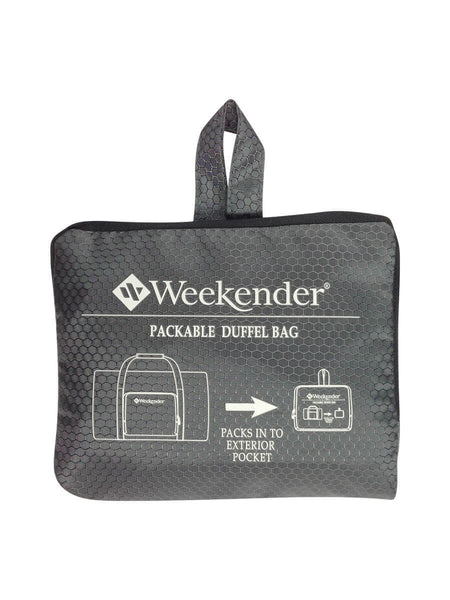
The defining feature of a packable weekender travel bag is its ability to shrink. Many designs, such as the Weekender Sportswear model, fold directly into an exterior pocket. This eliminates the need for a separate carrying pouch that could be lost. When packed, these bags can measure as small as 8 inches by 6 inches, allowing them to fit inside a larger suitcase or even a glove compartment.
Other bags use a collapsible design where the material simply flattens. This is common in more structured bags that use heavier materials. While these may not fit into a pocket, they take up very little vertical space in a closet or under a bed. For apartment dwellers with limited space, compact bags for easy storage are a significant benefit. Always check the packed dimensions to ensure the bag meets your portability requirements.
The importance of integrated compartments
Organization is often the first thing sacrificed in packable designs, but it is vital for short trips. A dedicated shoe compartment, found in the Fmeida 65L Duffle Bag, prevents dirty soles from touching your clean laundry. This is a must have feature for gym goers or anyone traveling with an extra pair of dress shoes.
Look for zip top closures for security and zipper secured front pockets for easy access to travel documents or charging cables. Interior pockets help keep smaller items like toiletries and jewelry from getting lost in the main compartment. If you struggle with a disorganized suitcase, using bags with shoe storage can streamline your packing process. You may also want to check out bags with enhanced organization features for more complex itineraries.
How structural durability affects long term use
While ultra light materials are convenient, they can fail if the bag is consistently overstuffed. Structural durability refers to how the handles, zippers, and seams hold up under weight. The 100% Ballistic Honeycomb Weave Polyester is an example of a material designed specifically to handle these stresses. Cheaply made packable bags often suffer from torn handles or split zippers after only a few uses.
A bag that can fit 10 days of clothes needs reinforced stitching to ensure the straps do not fail mid journey. This is where premium construction becomes a factor. Investing in a bag with quality hardware and zippers ensures you won't be left with a broken bag in a foreign city. You can browse premium durable bags to find options that prioritize long term resilience over the lowest possible price point.
Choosing a packable weekender travel bag for different transit modes
Your mode of transportation should dictate your bag choice. For air travel, airline compliance is the most important factor. Personal item bags must fit under the seat in front of you, while carry ons must fit in the overhead bin. The BAGSMART 37L is specifically marketed as a personal item bag, making it a safe choice for budget flyers. If you are flying with TSA regulated items, ensure your bag has easy access pockets for quick security checks.
For road trips, structural rigidity matters less because you aren't carrying the bag long distances. Large capacity bags are great here since you can just toss them in the trunk. For those commuting via train or bus, a bag with sturdy handles and a comfortable shoulder strap is essential for navigating crowded platforms. Digital nomads often require bags that can protect tech gear; for those users, best bags for tech and gadget enthusiasts provide the necessary padding. According to Travel and Leisure, maximizing space while maintaining portability is the key to stress free transit.
Ergonomics and carrying options
Carrying a fully loaded weekender can put a strain on your shoulders and back. Look for bags that offer multiple carry options, such as top handles and an adjustable shoulder strap. Some packable bags can even be worn as a backpack, providing hands free mobility for active lifestyles. The Nanobag Foldable Tote is designed for light carry, while larger duffels require more substantial support.
Padded straps are a premium feature that makes a significant difference during long walks through terminals. If you are prone to back pain, choosing a bag with an ergonomic design is a priority. You can find many comfortable ergonomic bags that distribute weight more effectively. Expert advice from Condé Nast Traveler suggests that how you pack the bag is just as important as the straps themselves; placing heavy items in the center helps maintain balance.
Maintenance and care for your travel bags
To ensure your packable weekender travel bag lasts for years, you must follow proper care instructions. Synthetic polyester bags are generally low maintenance and can be spot cleaned with soap and water. Always air dry these bags completely before folding them back into their storage pockets to prevent mold and mildew growth. For more help with upkeep, see the easy care bags for busy lives collection.
Leather requires more attention but offers a much longer lifespan. It should be treated with a leather conditioner periodically to prevent cracking and keep the material supple. If your leather bag gets wet, dry it slowly away from direct heat. When not in use, stuff the bag with tissue paper to help it maintain its shape. For those who want to protect their investment, leather bag care and storage tips are essential for maintaining that premium finish.