


Finding the best travel backpack for europe involves more than just selecting a stylish bag; it requires a design that can withstand historic cobblestones and strict budget airline overhead bins. This 2026 guide explains how to choose a pack that facilitates easy transitions between international flights, regional trains, and urban walking tours.
Why Backpacks Outperform Rolling Suitcases on European Streets
European cities are famous for their charm, but their infrastructure can be a nightmare for traditional rolling luggage. If you have ever tried to drag a heavy suitcase through the winding streets of Rome or across the bridges of Venice, you know that wheels and ancient stones do not mix. The noise alone is enough to identify you as a tourist from blocks away, and the constant vibration can damage the wheel housing of even the most expensive suitcases.
A backpack provides complete mobility by keeping your hands free and your weight centered. This is especially important when navigating the London Tube or the Paris Metro, where elevators are rare and stairs are plentiful. Moving through a crowded station is significantly easier when you are not tethered to a bulky box on wheels. For those planning a diverse itinerary, travel bags for international trips offer the versatility needed to hop on a bus, climb to a fifth floor apartment, or walk to a remote hostel without physical strain.
Best Travel Backpack for Europe Comparison and Reviews
To help you narrow down your choices, we have compiled a list of top performing bags for 2026. These selections are based on their ability to meet carry on standards and provide ergonomic support during long transit days.
| Product Name | Price | Primary Use Case |
|---|---|---|
| Luhxe Travel Bag 2.0 | $179 | All Purpose European Travel |
| Aer Travel Pack 4 | Not listed | Modern City Commuting |
| Osprey Farpoint 40 | Not listed | Adventure and Hiking |
| Cotopaxi Allpa 35L Travel Pack | Not listed | Colorful Organization |
| Peak Design Travel Backpack | Not listed | Photography and Tech |
Top Backpack Recommendations for Your Itinerary
Selecting the right bag depends heavily on your specific travel style. Below are detailed looks at the leading options for the best travel backpack for europe based on real world utility in 2026.
Luhxe Travel Bag 2.0
The Luhxe Travel Bag 2.0 is designed for travelers who need a balance of professional aesthetics and rugged functionality. At $179, it serves as a versatile option for those moving between business meetings and casual sightseeing. Its streamlined profile makes it a strong contender for those seeking smart bags for minimalist travelers.

Aer Travel Pack 4
For those who prioritize organization and tech protection, the Aer Travel Pack 4 is a top choice. This bag features dedicated compartments for laptops and tablets, making it ideal for anyone who needs to work while abroad. The materials are chosen for their resilience against urban wear and tear.
Osprey Farpoint 40
The Osprey Farpoint series has long been a favorite for its comfortable suspension system. This bag is particularly useful if your trip involves significant walking, as the harness helps distribute weight to your hips rather than your shoulders. It is a reliable choice for the adventure seeker who might be visiting both capital cities and coastal trails.

Cotopaxi Allpa 35L Travel Pack
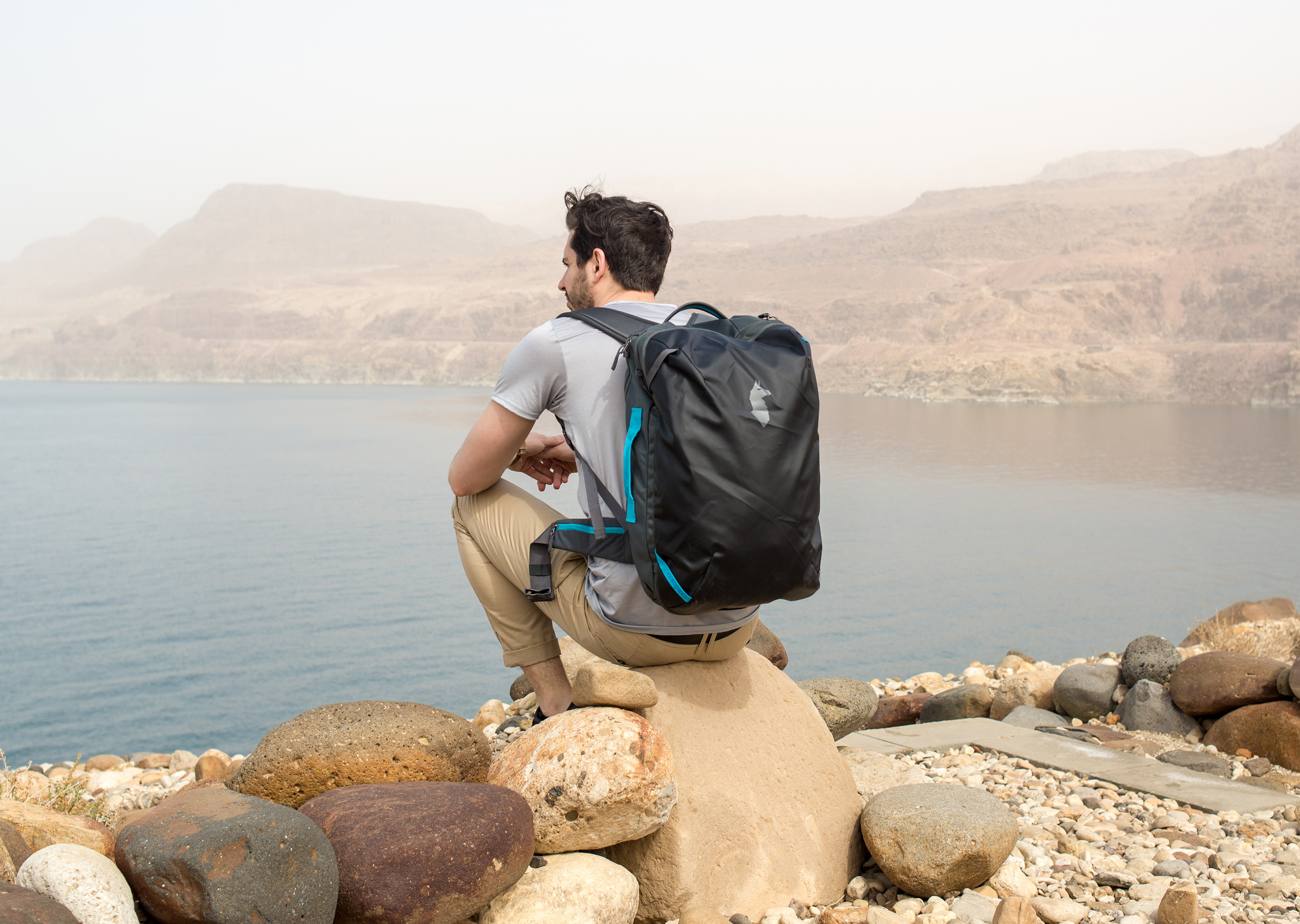
Known for its vibrant colors and clamshell opening, the Cotopaxi Allpa 35L allows for easy packing and unpacking. The interior mesh pockets function like built in packing cubes, which is incredibly helpful when you are changing hotels every few days. It fits comfortably within the carry on dimensions for most major international carriers.
Features to Look for in the Best Travel Backpack for Europe
When evaluating different models, certain features are non negotiable for a successful European trip. First, consider a bag with tuck away straps. This is essential for regional trains or buses where you may need to slide your bag into a narrow overhead rack or a luggage stack. Straps that dangle can easily get caught on other passengers or the rack itself, causing damage or delays.
Security is another major concern in high traffic tourist zones like Barcelona or Paris. The best travel backpack for europe will often include lockable zippers or hidden security pockets that sit against your back. These are perfect for storing your passport, extra cash, and emergency documents. For tech heavy travelers, secure bags for tech enthusiasts provide additional layers of protection for expensive gear.
Lastly, ergonomics play a massive role. Look for a pack with a padded hip belt and load lifter straps. Even a lightweight pack can feel heavy after a mile of walking from the train station to your accommodation. A proper harness system ensures that the weight stays close to your body and off your spine, preventing fatigue during long transit days.
Navigating Budget Airline Carry On Restrictions
European budget carriers like Ryanair, EasyJet, and Vueling are notorious for their strict baggage policies. In 2026, these airlines continue to enforce size and weight limits with high fees for anyone who exceeds them. To avoid extra costs, your backpack should ideally measure within 55 x 40 x 20 centimeters. Many travelers find that a 35 to 45 liter pack is the sweet spot for these requirements.
Before you fly, check the specific dimensions for your airline on their official website. For instance, the Ryanair baggage policy often requires a paid upgrade for a standard sized carry on bag. Using a soft sided backpack instead of a hard shell suitcase gives you a slight advantage: if the bag is not fully packed, it can often be squeezed into the sizing bin, whereas a hard suitcase will fail every time.
Packing Strategies for Seamless Transitions
The way you pack is just as important as the bag you choose. Using packing cubes is the most effective way to stay organized when moving between planes and trains. Cubes allow you to compress your clothing and keep different types of items separate, making it easy to find a fresh shirt without exploding the entire contents of your bag on a train seat.
Always place your liquids and electronics in a location that is easily accessible. At European airport security, you will likely need to remove these items quickly. A backpack with a dedicated external laptop sleeve or a top access pocket saves you from having to open your main compartment in the middle of a busy security line. For those working while traveling, versatile bags for digital nomads often prioritize these quick access features.
Managing Luggage on European Trains
Train travel is one of the joys of visiting Europe, but it requires a different approach to luggage than air travel. Most regional and high speed trains do not have a formal check in process for bags. You are responsible for carrying your luggage onto the train and finding a place for it. Space is often limited to small overhead racks or narrow luggage areas at the end of each car.
According to the Eurail luggage guide, you should be able to manage your bags independently. This is where the best travel backpack for europe truly shines. You can easily lift it over your head into a rack or keep it between your feet if the train is crowded. Large suitcases often end up blocking aisles, which can lead to frustration from conductors and fellow passengers. If you are planning a trip that involves multiple rail legs, a backpack is the most respectful and practical choice.
Protecting Your Gear from Weather and Theft
Weather in Europe can be unpredictable, ranging from Mediterranean sun to sudden rain in London or Berlin. Many travel backpacks come with a stowable rain cover. This is a vital accessory when you are walking to your hotel in a downpour. If your bag does not include one, it is worth purchasing a universal cover to protect your clothes and electronics from moisture.
Physical safety is also a priority. When in crowded areas like the Prague Old Town Square or the Lisbon metro, consider wearing your backpack on your front. While it may look unfashionable, it provides total visual control over your zippers and pockets in areas known for skilled pickpockets. Always use the internal security clips for your keys and wallet if your bag provides them. The US Department of Transportation recommends staying vigilant with your personal belongings in any high traffic transit hub.
Final Considerations for Your Backpack Purchase
Before making your final decision, consider the duration of your trip and the climate of your destination. A summer trip to Greece requires much less bulk than a winter tour of Scandinavia. If you are a light packer, a 30 liter bag like the TOM BIHN Techonaut 30 may be sufficient. However, for most travelers, a 40 liter pack provides the necessary space for souvenirs and extra layers without becoming too heavy to carry comfortably.
Investing in a high quality bag will save you money in the long run by avoiding baggage fees and replacement costs. Look for durable materials like Cordura nylon and reputable zipper brands like YKK. A well chosen pack will not only serve you on your current European adventure but will remain a reliable companion for years of global exploration.