


Investing in high-quality leather luggage ensures you have a travel companion that ages beautifully and lasts for a lifetime of trips. Proper maintenance is the only way to protect the natural fibers and prevent the material from drying out or cracking over the years.
What Is the Highest Quality Leather for Bags?
Before you begin the cleaning process, you must understand the material of your bag. Not all leather is created equal, and the grade of the hide determines how it reacts to moisture and cleaning agents. Full grain leather is widely considered the highest quality available because it includes the entire natural grain of the hide. This layer is the most durable and breathable, allowing the bag to develop a rich patina over time.
Top grain leather is the second highest grade. It is thinner and more flexible than full grain because the very top layer has been sanded to remove imperfections. While this makes the bag look more uniform, it also removes some of the natural strength. Genuine leather, often found in lower priced goods, is actually the lowest grade of real leather. It is made from the remaining layers of the hide after the top sections are removed for higher end products. For those seeking the best investment, premium leather luggage is the best investment for travelers because it utilizes these superior grades that respond best to long term care.
Why high-quality leather luggage requires routine care
Leather is a biological material that contains natural oils. Over time, exposure to air, sunlight, and varying humidity levels causes these oils to evaporate. If you do not replace these oils through conditioning, the fibers will become brittle and eventually snap, leading to visible cracks or peeling. Routine maintenance prevents this degradation and keeps the surface supple.
High-quality leather luggage is also porous. This means it can absorb spills, body oils, and environmental pollutants. Regular cleaning prevents these substances from sinking deep into the grain, where they can cause permanent staining or odors. By establishing a care routine, you are protecting the structural integrity of the piece, ensuring that heavy items like laptops and clothing do not strain the weakened material.
Essential supplies for cleaning natural leather
You do not need an expensive kit to maintain your bags, but you do need the correct tools. Using the wrong chemicals can strip the finish or alter the color of the hide permanently. Gather these items before you start:
- Two or three soft microfiber cloths
- A dedicated leather cleaner or a very mild, pH balanced baby soap
- A high quality leather conditioner containing natural waxes or oils
- A soft horsehair brush for removing dust from seams
- Distilled water, which prevents mineral spots caused by hard tap water
If you are looking for a versatile bag to practice these techniques on, the Leather Duffel Bag is an excellent example of a piece that benefits from regular conditioning. Its rich texture reacts well to natural oils, deepening in color as you care for it.

How to remove surface dust and debris
The first step in any maintenance routine is a dry clean. Dust acts like a fine sandpaper; if you rub a wet cloth over a dusty bag, you may accidentally scratch the surface. Use a soft horsehair brush to gently sweep away particles from the grain, focusing on the areas around zippers, handles, and hardware where grime tends to accumulate.
After brushing, take a dry microfiber cloth and wipe down the entire exterior. This removes any lingering lint or light dirt. If you travel frequently to coastal areas, this step is vital for removing salt spray, which can be highly corrosive to both the leather and the metal components. For more tips on preparing for specific journeys, see our guide on how to care for luxury leather luggage during long distance travel.
Deep cleaning techniques for high-quality leather luggage
If your bag has visible dirt or has not been cleaned in several months, a deep clean is necessary. Dampen a clean cloth with distilled water and a small amount of leather cleaner. Never pour the cleaner directly onto the bag; always apply it to the cloth first to ensure even distribution. Rub the cloth in small, circular motions across one panel at a time.
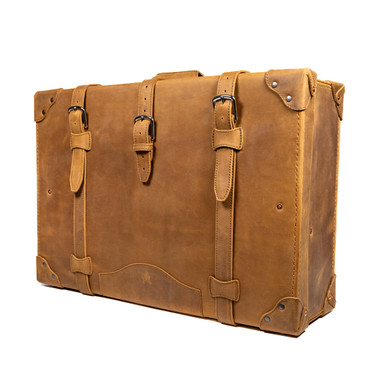
Avoid soaking the material. High quality leather should never be submerged in water. Excessive moisture can cause the hide to swell and lose its shape. Once you have finished cleaning a section, use a separate dry cloth to wipe away any excess moisture or soap residue. This prevents the cleaning agent from sitting on the surface for too long. If you own a larger piece like the Saddleback Grandfather Suitcase, work in small sections to ensure the cleaner does not dry before you can buff it off.
Conditioning to restore moisture and flexibility
Conditioning is the most important part of maintaining high-quality leather luggage. A good conditioner acts like a moisturizer for the skin, penetrating the pores to keep the fibers lubricated. Apply a nickel sized amount of conditioner to a soft cloth and rub it into the leather using circular motions. You will notice the material may darken slightly as it absorbs the product; this is normal and usually temporary.
Let the conditioner sit for at least twenty minutes. This allows the oils to move past the surface and into the deeper layers of the hide. Afterward, use a clean, dry cloth to buff the surface. This removes any excess product that could rub off onto your clothes and brings out a soft, natural shine. This process is essential for items in the Handcrafted Leather Luggage Collection to maintain their artisan finish.
How to dry leather bags properly
If you get caught in a rainstorm, do not panic. The way you dry your bag determines whether it will survive the experience without damage. Never use a hair dryer, radiator, or direct sunlight to speed up the drying process. High heat causes the leather to shrink and become brittle, often leading to permanent warping.
Instead, wipe off as much water as possible with a dry towel. Stuff the inside of the bag with acid free tissue paper or dry cotton towels to help it maintain its shape and absorb moisture from the interior. Place the bag in a cool, dry area with plenty of airflow. Let it dry naturally for 24 hours. Once it is completely dry, apply a fresh coat of conditioner to replace any oils that were washed away by the rain.
Storing your luggage to prevent mold and warping
Proper storage is just as important as cleaning. When your high-quality leather luggage is not in use, it should be stored in a breathable dust bag. Plastic bags are a poor choice because they trap moisture, which can lead to the growth of mold and mildew. If a dust bag was not included with your purchase, a cotton pillowcase is a perfect substitute.
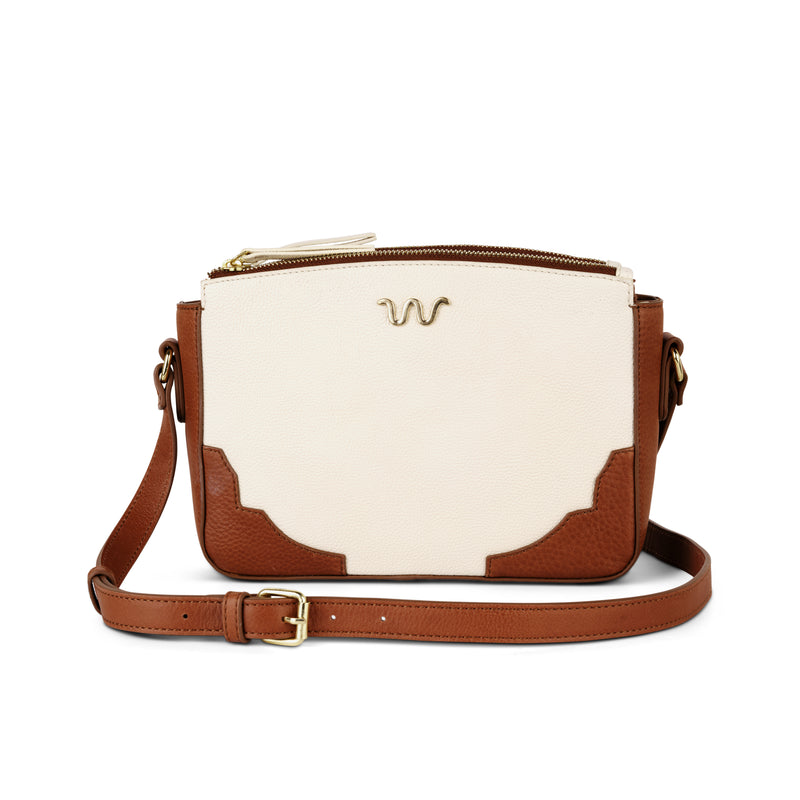
Store your bags in a climate controlled environment. Basements and attics are often too humid or too dry, both of which damage natural hides. Keep the bag stuffed with paper to prevent it from collapsing; over time, the weight of the leather can cause permanent creases if the bag is stored flat. For travelers who prefer smaller bags like the Kineño Leather Cabin Case, ensuring the handle is not under tension during storage will prevent the leather from stretching.
Dealing with scratches and scuffs
Scratches are an inevitable part of travel, but on premium hides, they often add character. Many minor surface scratches can be buffed out simply by using the heat from your thumb. Rub the scratch in a circular motion; the friction warms the natural oils in the leather, allowing them to fill in the mark. For deeper scuffs, a small amount of leather conditioner can help blend the mark into the surrounding area.
If you prefer a pristine look, you can explore specialized collections like Vintage-Inspired Leather Luggage & Totes, which often feature finishes designed to mask or incorporate wear. For more detailed advice on preventing these marks during transit, refer to our guide on luxury luggage and leather goods maintenance for modern travelers.
Common mistakes to avoid with premium leather
The most common mistake is using household cleaning products. Dish soap, window cleaner, and disinfectant wipes contain harsh chemicals and alcohols that will strip the natural finish and dry out the hide almost instantly. Similarly, never use oils meant for cooking or olive oil to condition your bag. These oils do not penetrate the leather correctly and can go rancid, causing the bag to smell and rot from the inside out.
Another mistake is over conditioning. While keeping the leather moisturized is vital, applying too much product too often can make the surface feel tacky and attract even more dirt. For most travelers, a deep clean and conditioning session once every six months is sufficient. If you live in an extremely dry climate, you may need to increase this to once every three months to ensure your high-quality leather luggage remains in top condition.