


Frequent travelers often struggle with identifying their luggage in crowded terminals or overhead bins. By using the same standards as airline crews, you can ensure your bags are easily recognizable and secure during transit. Professional flight attendant bag tags offer a level of durability and clear identification that standard retail labels cannot match, helping you avoid lost items and airport confusion.
Professional Standards for Luggage Identification
Flight crews move through airports daily, requiring identification tools that survive constant handling and environmental stress. Professional travelers avoid the thin plastic or paper tags provided at check in counters because they frequently tear or become unreadable. Instead, they rely on reinforced materials like heavy duty embroidery or metal. These flight attendant bag tags are designed to remain attached even when bags are stacked in narrow crew closets or tossed into cargo holds. By replicating these standards, you reduce the risk of your contact information being stripped from your bag during a long haul flight.
Durability is the primary reason to upgrade your gear. A standard tag might last one or two trips, but a professional grade strap can last for years of continuous service. This reliability is why many seasoned flyers look for tags with reinforced grommets and high tension snaps. When you choose your identification, look for items that can withstand the friction of conveyor belts and the weight of other luggage pressing against them. You should also consider the visibility of the tag, as professional crews use bright colors or bold lettering to distinguish their identical black bags from one another.
Why Flight Attendant Bag Tags Prevent Luggage Loss
Luggage loss often occurs because of mechanical failure of the identification tag rather than carrier negligence. If a tag catches on a conveyor belt and snaps off, the airline has no way to link that bag to its owner. Using flight attendant bag tags provides a more secure connection point than traditional elastic loops or thin plastic straps. Many of these professional tags use metal cables or double snap mechanisms to ensure they stay in place. For instance, the Luggage Tag Single Snap (Monogrammed) from Crew Outfitters uses a robust snapping system that is much harder to break than a standard plastic buckle.
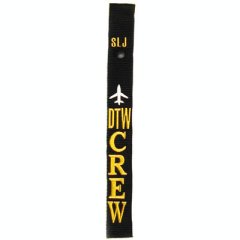
Identification is also about quick visual confirmation. When you are rushing to make a connection, you do not want to squint at every black suitcase in the overhead bin. A bright red or yellow tag with "CREW" or your name embroidered on it allows you to spot your bag from a distance. This reduces the chance of another passenger accidentally taking your bag, a common occurrence in busy cabins. For students or young professionals who may be traveling with similar looking backpacks, adding a professional grade tag to something like a Hoodie Backpack ensures your personal items are never confused with others.
Comparing Embroidered Straps and Plastic Identification Tags
There are two main styles of identification used by airline staff: embroidered straps and rigid plastic tags. Embroidered straps, such as the Secure Embroidered Crew Strap, are favored for their flexibility. Because they are made of fabric, they do not crack in cold temperatures or shatter upon impact. These straps often wrap around a handle, distributing the tension across the fabric rather than a single point of failure. This makes them ideal for checked bags that undergo significant physical stress. They are also silent, unlike metal or hard plastic tags that may clink against the bag during movement.
Rigid tags, on the other hand, offer a more structured look and are often easier to clean. Many travelers prefer personalized versions, like the Luggage Tag Single Snap (Personalized), which allows for clear, engraved or printed text. These are excellent for carry on bags where the tag is less likely to be crushed but needs to be read quickly by security or gate agents. If you choose a rigid tag, ensure it has a reinforced hole where the strap attaches, as this is the most common breaking point for lower quality versions.
Best Materials for Flight Attendant Bag Tags and Professional Gear
When selecting your gear, material choice is the most important factor for longevity. Professional flight crews typically choose one of three materials: nylon webbing, heavy duty polyester, or stainless steel. Nylon webbing is extremely resistant to tearing and can handle the weight of a heavy bag if it needs to be pulled by the tag. Polyester is used for embroidered tags because it holds color well and does not fade under UV exposure, which is important for tags that sit near airplane windows or on sunny tarmacs. For those who want the highest level of security, metal tags with steel cable loops are nearly impossible to remove without specialized tools.
- Embroidered Polyester: Soft, quiet, and highly visible. Used for crew labels and logo tags.
- Nylon Webbing: Found in items like the Aero Phoenix Airline Crew Bag Tag. Durable and flexible.
- Stainless Steel Cables: The gold standard for preventing tags from being accidentally ripped off during baggage handling.
- Reinforced Vinyl: Often used for window style tags where an address card is inserted. Ensure the vinyl is thick to prevent cracking.
Regardless of the material, check the stitching or the hardware. A tag is only as strong as its weakest link. For example, the A-320 Double Snap Strap uses two snaps instead of one, providing a backup in case one snap fails during transit. This redundant security is a hallmark of professional gear that leisure travelers should adopt for peace of mind.
How to Attach Tags for Maximum Visibility and Security
Placement of your flight attendant bag tags can be just as important as the tag itself. Most travelers simply attach a tag to the top handle and assume it is sufficient. However, professional crews often use multiple identification points. One tag should be placed on the main side handle, while another is placed on the top handle. This ensures that no matter how the bag is oriented on a carousel or in a storage bin, the identification is visible. On backpacks or personal items, attaching a tag to a side strap or a D ring is often more secure than the main zipper pull, which can break under pressure.

If you are using a bag with many compartments, such as those found in the Essential Bags for Your Next Weekend Getaway collection, place your primary ID on the handle that you use most often. For checked luggage, consider placing a duplicate identification card inside the bag on top of your belongings. In the event that all external tags are lost, airline staff will open the bag to look for internal contact information. This double layer of protection is a standard operating procedure for many professional couriers and flight staff.
Privacy Tips for Luggage Identification in Public Terminals
While identification is necessary, privacy is equally important. You do not want your full home address and phone number visible to every person standing behind you in the security line. Professionals often use tags with privacy flaps or embroidery that only displays a name or nickname on the outside. For more detailed contact info, they use a hidden card inside a sleeve. This prevents casual observers from knowing where you live or that your house might be empty while you are traveling. The Lionel Ritchie Hello Luggage Tag is a playful example of a tag that identifies a bag without necessarily broadcasting personal data to the entire terminal.
Another professional tip is to use an office address or a business phone number instead of your home details. If your bag is lost, the airline will contact you via phone or email regardless of the address on the tag. Protecting your home address is a simple way to increase your personal security while abroad. You can also use digital tracking tags in combination with physical flight attendant bag tags. Placing a GPS tracker inside a secure pocket of your Hoodie Backpack allows you to monitor its location via your smartphone, while the physical tag handles the manual identification process for airline staff.
Using Modern Backpacks for Efficient Professional Travel
For many travelers, the backpack has replaced the traditional briefcase or small rolling suitcase as the primary personal item. A high quality bag like the Hoodie Backpack offers the versatility needed for both business and leisure trips. Priced at $79, it is available in colors like Charcoal and White, providing a clean aesthetic that pairs well with professional identification tags. When adding tags to a backpack, look for reinforced loops or strap segments that can handle the weight of the bag if it is picked up by the identification strap by mistake.
Modern backpacks often feature specific compartments for electronics and documents, making them a favorite for digital nomads and frequent flyers. To maintain a professional look, choose tags that match the color palette of your bag. A charcoal bag with black or silver embroidered tags looks cohesive and intentional. You can find many options for coordinating your travel gear in the Modern Lifestyle Bags collection. Remember that your personal item is just as likely to be separated from you as your checked bag during gate checks, so never skip the identification step for your backpack.
Maintaining Your Bags and Identifying Tags Over Time
Even the most durable flight attendant bag tags require occasional maintenance to remain effective. Over time, embroidery can fray and plastic can become brittle from exposure to varying temperatures and pressures in the cargo hold. Periodically check your tags for signs of wear, especially the attachment points. If a snap feels loose or a cable shows signs of fraying, replace it immediately. It is much cheaper to spend $14.99 on a new Luggage Tag Double Snap (Monogrammed) than it is to replace an entire suitcase of lost belongings.
Cleaning your tags is also essential, especially if you travel through high humidity or coastal areas where salt and moisture can degrade fabrics and metals. Most embroidered tags can be spot cleaned with mild soap and water. For rigid tags, a simple wipe with a damp cloth is usually enough. By keeping your identification clean and legible, you ensure that anyone who finds your bag can easily read your contact information. This attention to detail is what separates professional travelers from the average tourist and ensures a smoother experience through every airport terminal in the world. For more tips on maintaining your gear, consult the FAA traveler guide for best practices on luggage safety.